Cantor, Eddie
← All authors
Eddie Cantor (born Isidore Itzkowitz; January 31, 1892 – October 10, 1964) was an American comedian, actor, dancer, singer, songwriter, film producer, screenwriter and author. Born to Russian immigrant parents, he lost his mother to tuberculosis when he was two and was subsequently abandoned by his father, after which he was raised by his grandmother Esther in a basement apartment on New York's Lower East Side.
Cantor was one of the prominent entertainers of his era, with hits including "Makin' Whoopee," "Ida (Sweet as Apple Cider)," "If You Knew Susie," and "Margie". He also wrote songs, including "Merrily We Roll Along," which became the theme song for the Merrie Melodies Warner Bros. cartoon series.
He made his first public appearance in vaudeville in 1907 at New York's Clinton Music Hall, and appeared in Broadway shows including the Ziegfeld Follies of 1917, 1918, 1919, and 1927, as well as "Kid Boots," "Whoopee," and "Banjo Eyes". After achieving Broadway stardom, Cantor turned to radio with The Chase and Sanborn Hour in September 1931, and the show continued for 18 years on NBC and CBS networks.
As a writer, he used his talent to rebuild his finances after losing his fortune in the stock market crash, producing highly popular bestselling books of humor and cartoons including Caught Short! A Saga of Wailing Wall Street in 1929 and Yoo-Hoo, Prosperity! He also wrote autobiographies "My Life Is In Your Hands" and "Take My Life," as well as books "Ziegfeld, the Great Glorifier" and "As I Remember Them".
Cantor married Ida Tobias in 1914 and they remained together until Ida died in 1962, having five daughters: Marilyn, Marjorie, Natalie, Edna, and Janet. He coined the term "March of Dimes" and began the first campaign on his radio show in January 1938, asking people to mail dimes to President Franklin D. Roosevelt to fight polio. On October 10, 1964, Cantor suffered a heart attack and died in Beverly Hills, California at age 72.
Books (1)
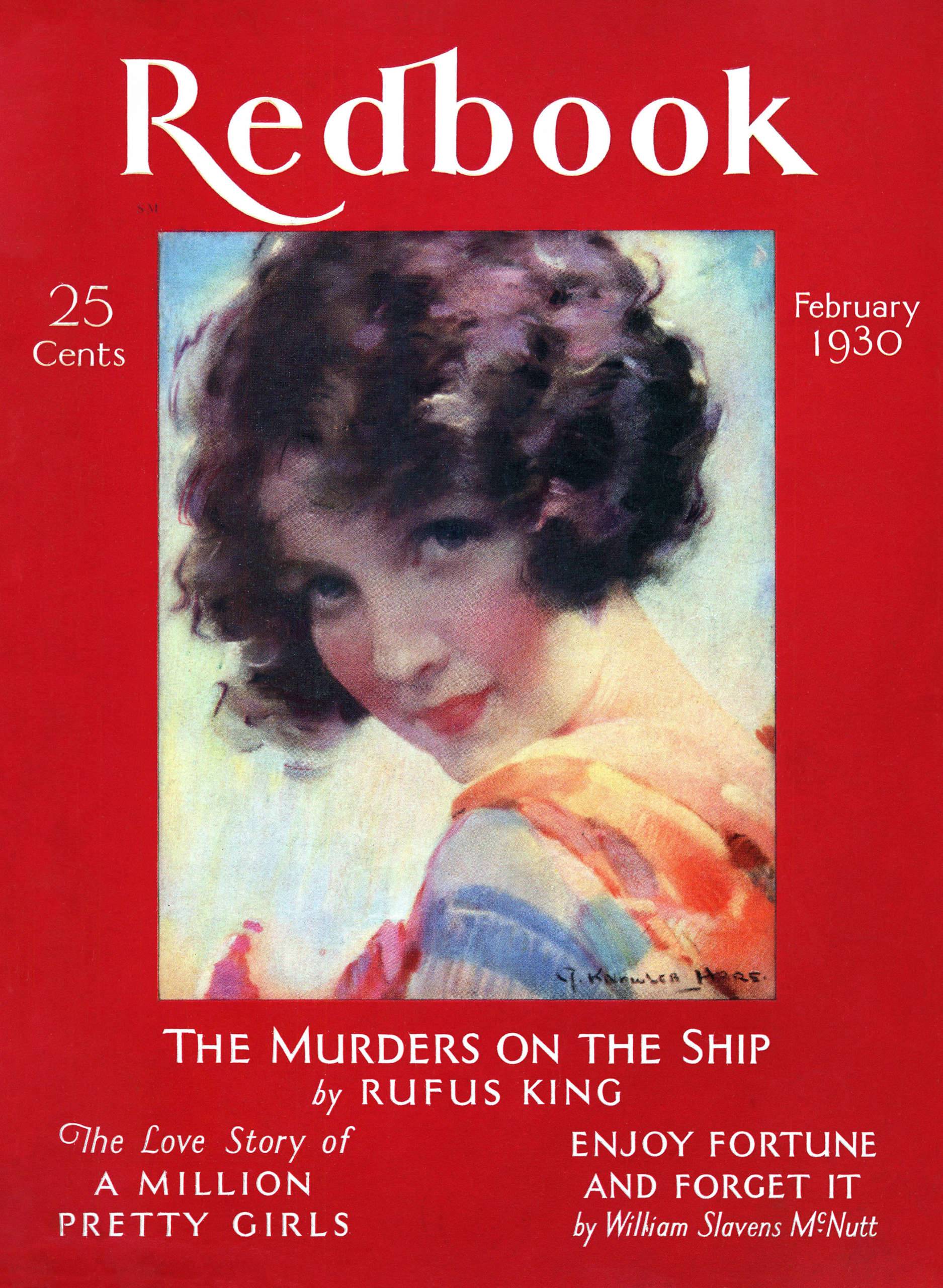
Talkies
In this witty chronicle of Hollywood's tumultuous transition from silent films to "talkies," a veteran performer recounts the chaos, comedy, and technical disasters that accompanied the dawn of sound cinema. From microphones hidden under sofas to stars whose voices didn't match their on-screen personas, the author offers an insider's view of an industry turned upside down by technology. With sharp humor and nostalgic charm, this firsthand account captures a pivotal moment when the movies learned to speak—and Hollywood scrambled to keep up. A delightful time capsule of 1920s entertainment culture and the growing pains of cinematic innovation.
![Book cover]()