Davis, J. Frank
← All authors
James Francis (J. Frank) Davis, newspaperman and author, was born on December 20, 1870, in New Bedford, Massachusetts, the son of James and Ann E. (Francis) Davis. He attended public schools in New Bedford and Brockton, Massachusetts, and married Clara Franklin Draper on October 7, 1896.
From 1886 to 1904 he worked as a newspaperman, salesman, and publicity man. In 1904 Davis began working for the Boston American as dramatic editor and special writer, became managing editor of the Boston Tribune in 1907, and by 1908 was a special political writer for the Boston Herald. He was city editor of the Boston Traveler in 1908–09 and associate editor of that paper in 1910, when, because of an injury, he retired to San Antonio, Texas.
From 1911 to 1914 he did advertising and publicity work in San Antonio, and about 1915 he began writing fiction. He authored novels including "Almanzar" (1918), "The Chinese Label" (1920), and "The Road to San Jacinto" (1936). Davis published several books and plays; Gold in the Hills (1930) was one of his better-known plays.
He wrote short stories and serials for many of the popular magazines of the day, such as Collier's, Saturday Evening Post, Liberty, Scribner's, American, and others. The setting of many of his stories was Texas, and he was made an honorary Texas Ranger for his vivid stories of early western life.
In 1935 Davis became the state supervisor of the Texas Writers' Project of the Work Projects Administration, which published Texas: A Guide to the Lone Star State (1940) and guidebooks of San Antonio, Corpus Christi, Beaumont, Port Arthur, and Houston, all under Davis's direction. He died on April 6, 1942, in San Antonio and was buried in Mission Burial Park in that city.
Books (1)
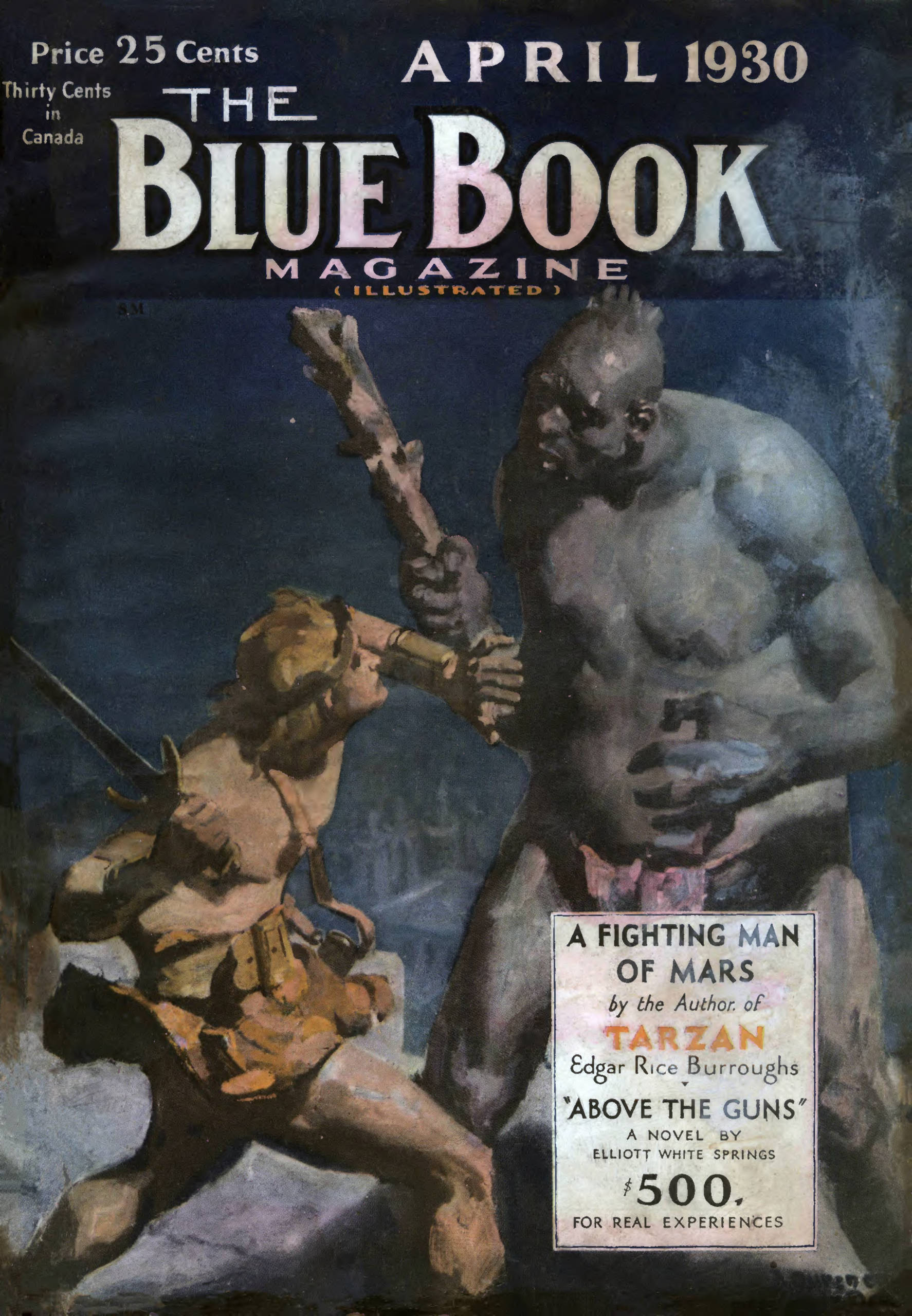
Conversation
In a Texas town where deadly quarrels are settled with guns and justified by honor, young Curly Stewart faces an impossible choice: flee before a notorious gunman returns to kill him, or stand his ground despite knowing he can't outdraw his opponent. When Jim Begley forces a showdown after Curly criticizes his cowardly killing methods, Curly must rely on something deadlier than a fast draw—nerve-shattering conversation that turns the tables on a man who once hid behind a bulletproof vest.